

How to Prevent Generator Corrosion at Coastal Sites
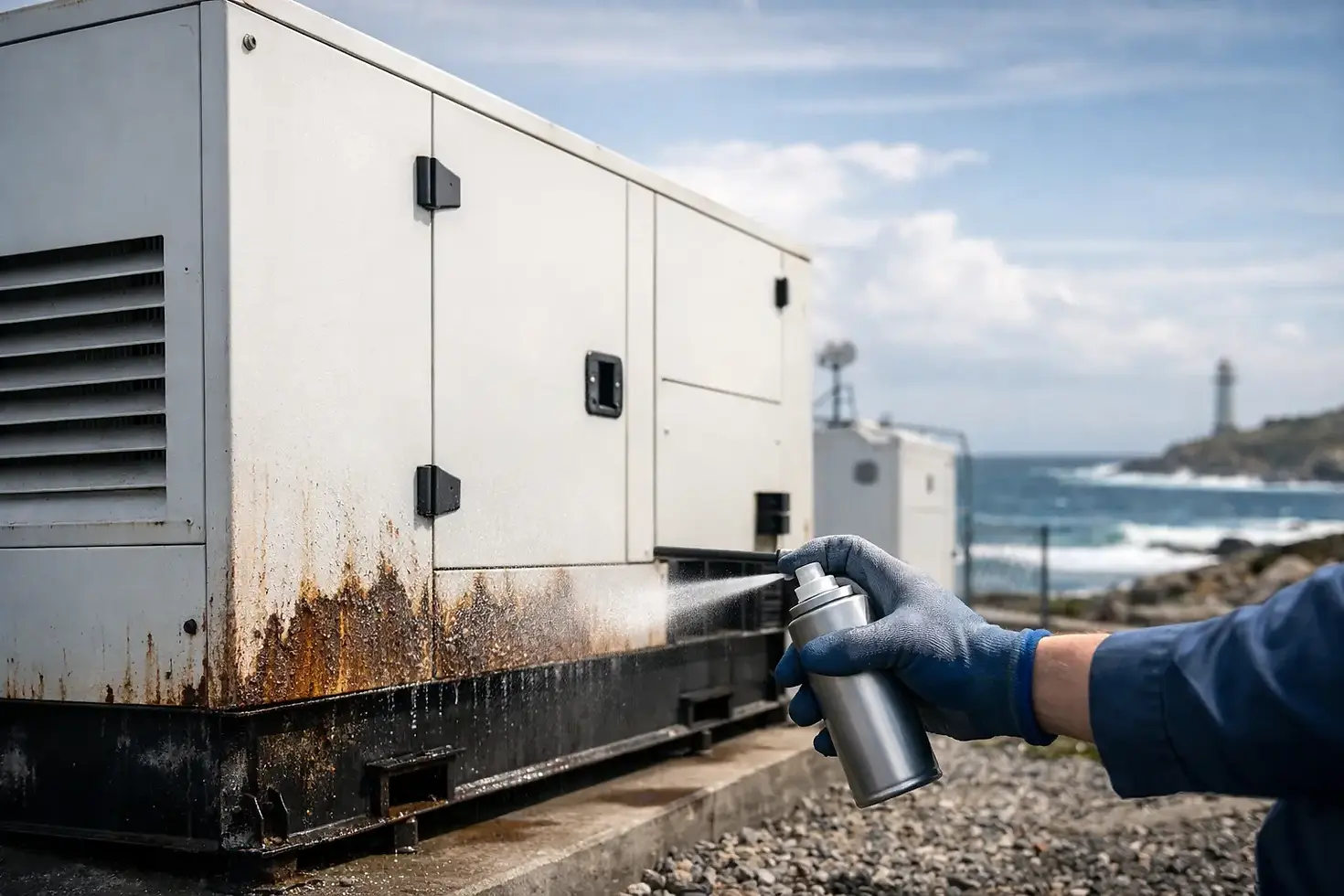
Salt spray does not need to touch a generator directly to damage it. In the Bahamas, on marinas, near resorts, and across coastal construction sites, airborne salt settles on metal surfaces, pulls moisture from the air, and starts corrosion in places operators rarely inspect. Knowing how to prevent generator corrosion is not a cosmetic exercise. It protects starting reliability, enclosure integrity, fuel containment, electrical connections, and the working life of a major capital asset.
A standard open-frame generator or painted steel package may be acceptable in a dry inland setting. It is often the wrong specification for an island installation. Coastal buyers should treat corrosion resistance as part of the generator package from day one, not as an add-on after rust appears.
Start With the Right Enclosure Material
The enclosure is the first line of defense. It must handle salt air, wind-driven rain, UV exposure, heat, vibration, and regular service access without allowing moisture to remain trapped against the equipment.
For serious coastal duty, marine-grade stainless steel is the strongest long-term choice. Stainless steel enclosures cost more than basic powder-coated carbon steel, but they reduce repainting, panel replacement, rust-related fastener failures, and premature package deterioration. The higher upfront cost can be justified quickly where a generator is expected to serve a hotel, apartment complex, remote property, marina, or commercial facility for many years.
Aluminum enclosures are another effective option. They are lightweight, naturally corrosion-resistant, and useful where lifting weight, transport, or installation access is a concern. Aluminum does require careful design around fasteners and dissimilar metals. If untreated steel hardware contacts aluminum in a wet, salty environment, galvanic corrosion can develop at connection points.
Painted steel can still work when budgets are tight, but only if the coating system is specified correctly and maintained. Ask for a heavy-duty exterior coating, properly prepared surfaces, sealed seams, stainless hardware where practical, and easy access for washing and inspection. Do not assume every sound-attenuated enclosure is designed for marine exposure.
How to Prevent Generator Corrosion Through Package Design
A corrosion-resistant generator package is more than an enclosure shell. The details determine whether salt water drains away or stays trapped in seams, louvers, bases, and service areas.
Specify a raised base frame or skid that keeps the generator above standing water. A unit placed directly on an uneven slab or low pad can hold moisture beneath the base, accelerating corrosion from the bottom up. The concrete pad should slope away from the generator, and surrounding drainage should carry rainwater away instead of allowing it to pool around the equipment.
Pay attention to air intake and discharge openings. Louvers need to provide ventilation without becoming direct salt-spray entry points. In exposed locations, weather hoods, intake baffles, moisture-resistant filtration arrangements, and a site orientation that turns openings away from prevailing sea winds can make a material difference.
Door seals, hinges, latches, and panel joints deserve the same attention as the main enclosure. A high-quality enclosure with low-grade hinges and carbon-steel fasteners will still develop problem areas. Stainless steel hinges, latches, bolts, and hardware reduce the number of small failures that turn into expensive enclosure repairs.
The base fuel tank also needs coastal protection. For integrated fuel systems, stainless steel or properly fabricated aluminum tanks provide better resistance than untreated steel. Tank supports, fill connections, vents, level sensors, and supply lines must be protected as a complete system. A corroded fuel fitting can create a fuel leak, contamination risk, or no-start condition even when the engine itself is in good order.
Protect Electrical Connections and Controls
Salt contamination is especially hard on electrical components. It can corrode terminals, increase resistance, cause intermittent alarm signals, and create failures in battery chargers, automatic transfer switch connections, controller wiring, and remote monitoring equipment.
Use weather-protected control panels with properly sealed cable entries. Cable glands should match the enclosure rating and be installed tightly enough to prevent moisture intrusion. Avoid leaving unused conduit openings open or loosely plugged. Every opening becomes a path for humid air, insects, and salt deposits.
Battery systems need routine attention. Battery terminals, cable lugs, hold-downs, and charger connections should be inspected for white or green corrosion products. Clean terminals with the correct procedure, apply an approved terminal protectant, and confirm that batteries remain secured against vibration. A generator can have a clean engine and full fuel tank yet still fail because corroded battery connections cannot deliver starting current.
Automatic transfer switches should be located in a dry, conditioned, or well-protected electrical space whenever possible. If the ATS must be installed outdoors or in an exposed utility area, use a suitable corrosion-resistant enclosure and inspect terminals during scheduled service. The transfer switch is not secondary equipment. If it fails, the generator may never receive the start command when utility power drops.
Control Moisture, Salt Deposits, and Condensation
Salt air creates two separate threats: deposits on exterior surfaces and moisture inside the enclosure. Both require active control.
Wash the exterior of coastal generator enclosures with fresh water on a regular schedule. Frequency depends on exposure. A generator directly facing open water, located near a dock, or installed within a high-spray zone may need washing monthly or more often. A sheltered inland commercial site may need less frequent cleaning. The goal is to remove salt before it holds moisture against painted surfaces, hardware, and louvers.
Do not use high-pressure water around control panels, vents, electrical connections, or door seals. Low-pressure fresh-water rinsing followed by visual inspection is safer. Remove leaves, sand, bird droppings, and debris from roof surfaces and air paths, since these materials retain moisture and block drainage.
Condensation inside a generator enclosure can be just as damaging as rain. Daily temperature swings cause moisture to form on metal surfaces, wiring, and control components. Anti-condensation heaters, appropriately rated panel heaters, and enclosure ventilation strategies can help where humidity is persistent. The correct approach depends on whether the generator is operating regularly, sitting on standby, or installed in a tightly enclosed equipment room.
Use Fuel Practices That Do Not Create Corrosion Problems
Fuel systems are often overlooked in corrosion planning. Diesel fuel tanks breathe as temperatures change, and that can introduce moist air. Water then settles to the bottom of the tank, where it supports microbial growth, internal corrosion, and fuel contamination.
Keep bulk and base tanks as full as practical when a unit will sit for extended periods. Reducing empty air space can reduce condensation. Use clean, dry fuel from a controlled source, maintain water-separating filtration, and drain water from separators according to the service schedule.
For standby systems with long storage periods, fuel polishing and periodic testing are practical investments. This is particularly relevant for resorts, remote islands, and critical facilities that may run their generators only during outages but need immediate performance during a storm or utility interruption. Fuel treatment should be selected based on actual storage conditions and manufacturer guidance, not added blindly.
Build a Coastal Maintenance Schedule
Corrosion prevention fails when it depends on occasional visual checks. Assign responsibility and document a schedule. The service interval should be more aggressive for generators near salt water than for comparable units inland.
A practical coastal inspection program should cover the following items:
Exterior panels, roof seams, louvers, door seals, hinges, and fasteners for rust, coating damage, and trapped debris.
Base frame, skid, tank supports, pipe fittings, drains, and underside areas for standing water or coating failure.
Battery terminals, charger wiring, controller connections, cable glands, and ATS terminals for oxidation or loose connections.
Fuel tank water levels, filter bowls, vents, fill caps, supply lines, and evidence of leaks or microbial contamination.
Exhaust components, flexible sections, rain caps, mounting brackets, and insulation for heat damage and corrosion.
Correct small damage immediately. A scratched painted panel can be cleaned, primed, and repaired before corrosion travels beneath the coating. A failed door seal can be replaced before humid salt air reaches controls. Waiting until a panel is perforated or a terminal has failed turns a simple service item into downtime.
Specify for the Site, Not Just the kW Rating
The generator's power rating is only one part of a successful procurement decision. A 250 kW standby generator for a beachfront hotel requires a different package than a 250 kW unit installed inland at a warehouse. Both may need the same engine capacity, but enclosure material, tank construction, hardware, coating specification, ventilation arrangement, and maintenance plan should not be identical.
Provide the supplier with the site location, distance from the shore, prevailing wind exposure, expected operating hours, available pad dimensions, fuel autonomy requirement, and whether the unit is prime or standby rated. This allows the package to be configured correctly before shipping. Retrofitting a standard package after it reaches an island site is slower, more expensive, and often limited by what can be modified safely in the field.
Carib Generators can quote diesel or gas generator packages with corrosion-resistant enclosure and fuel tank options for coastal and export applications. The best value is usually a complete package specified for the environment, rather than a low initial price followed by repeated repairs and replacement parts.
A coastal generator should be treated like marine-adjacent infrastructure: specify the materials early, keep salt and water from accumulating, inspect the small components that fail first, and repair coating damage before it spreads. That discipline keeps emergency power ready when the weather is exactly the reason you need it.


Comments